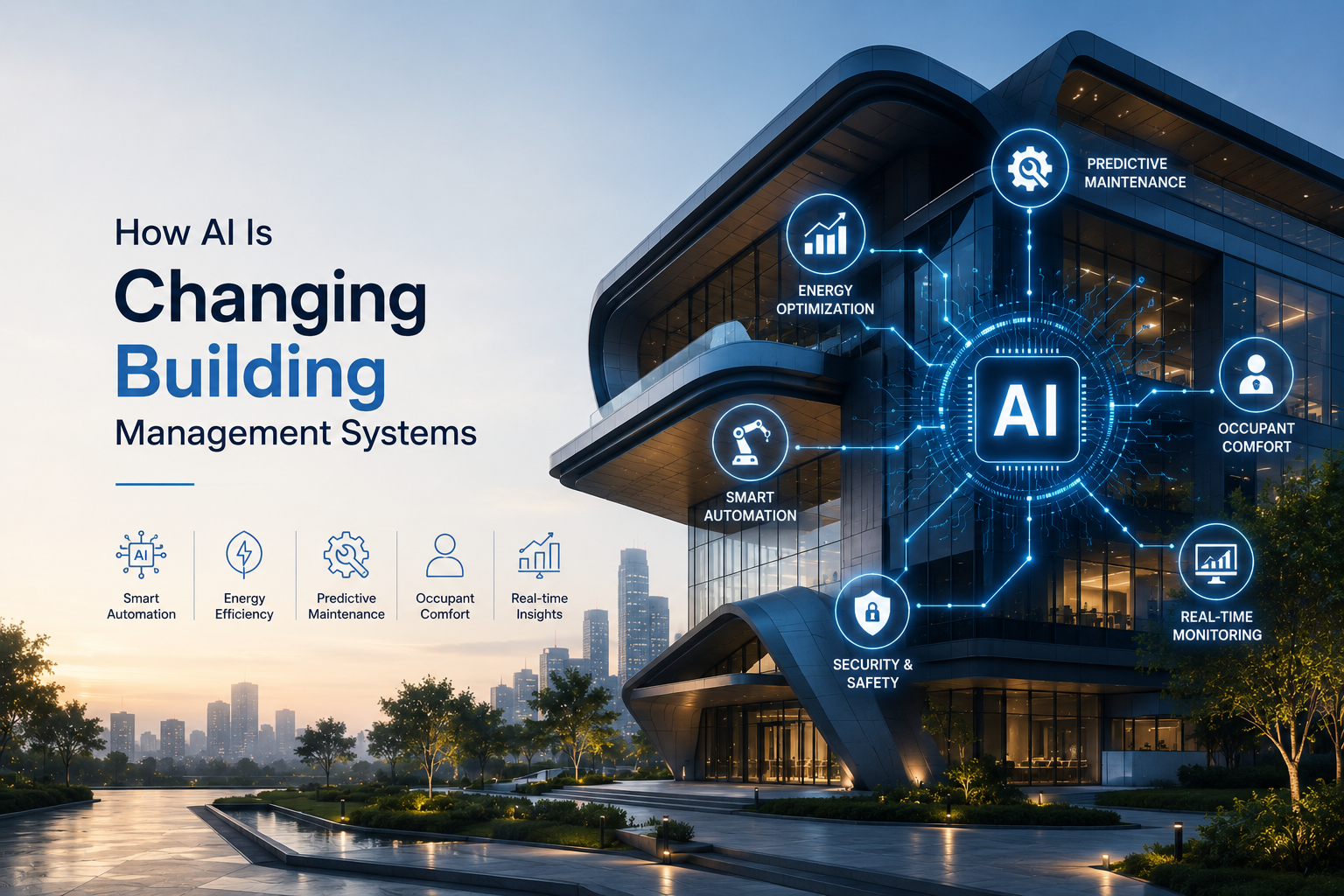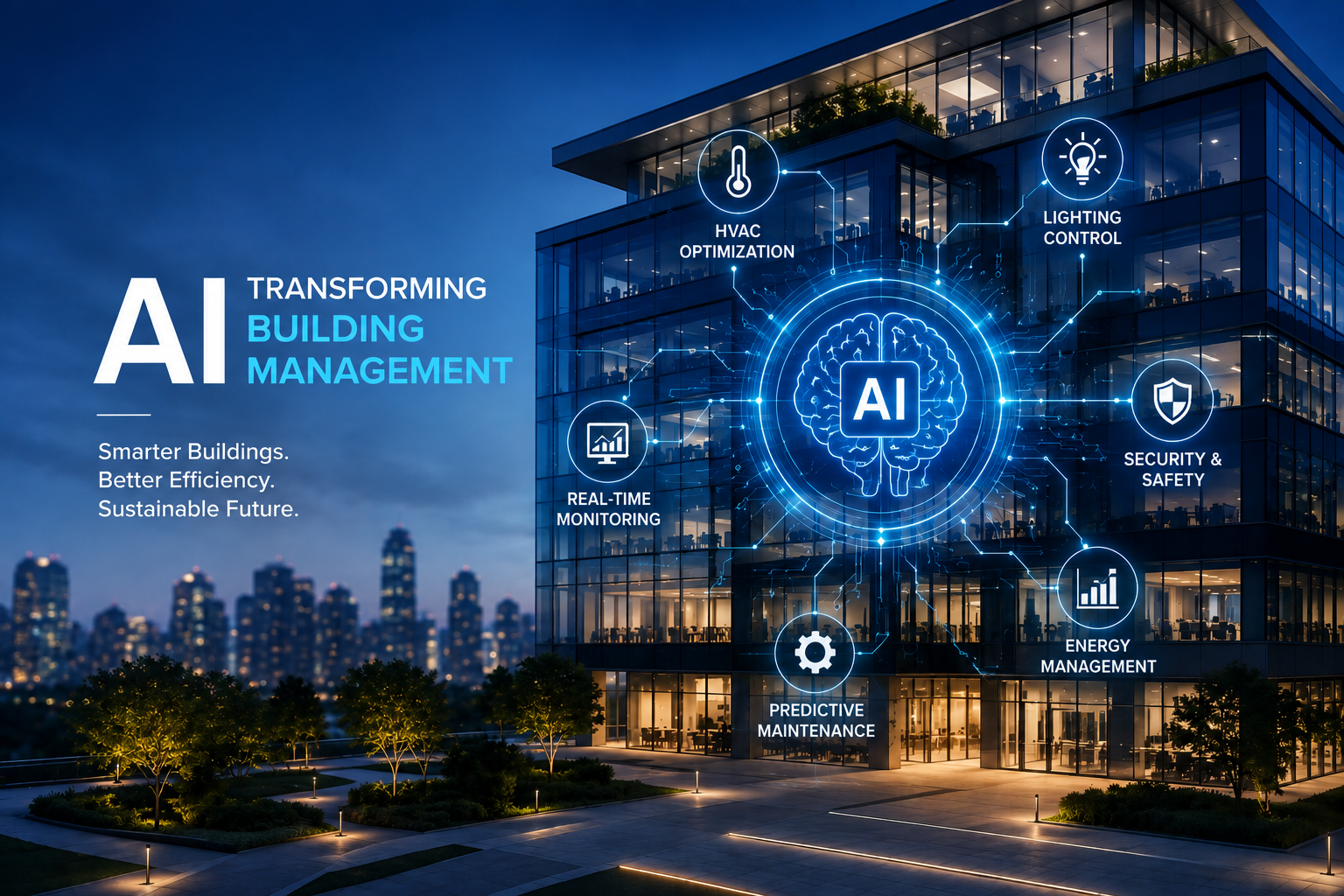
Artificial Intelligence is no longer a futuristic concept. It is rapidly becoming an essential tool for improving operational efficiency, reducing energy consumption, and supporting better decision-making across industries.
From predictive maintenance and intelligent fault detection to energy optimization and natural language assistants, AI has the potential to transform the way critical facilities are managed.
However, for industries such as pharmaceutical manufacturing, data centres, healthcare, semiconductor, and critical infrastructure, the question is no longer "Should we use AI?" It is "Where should AI run?"
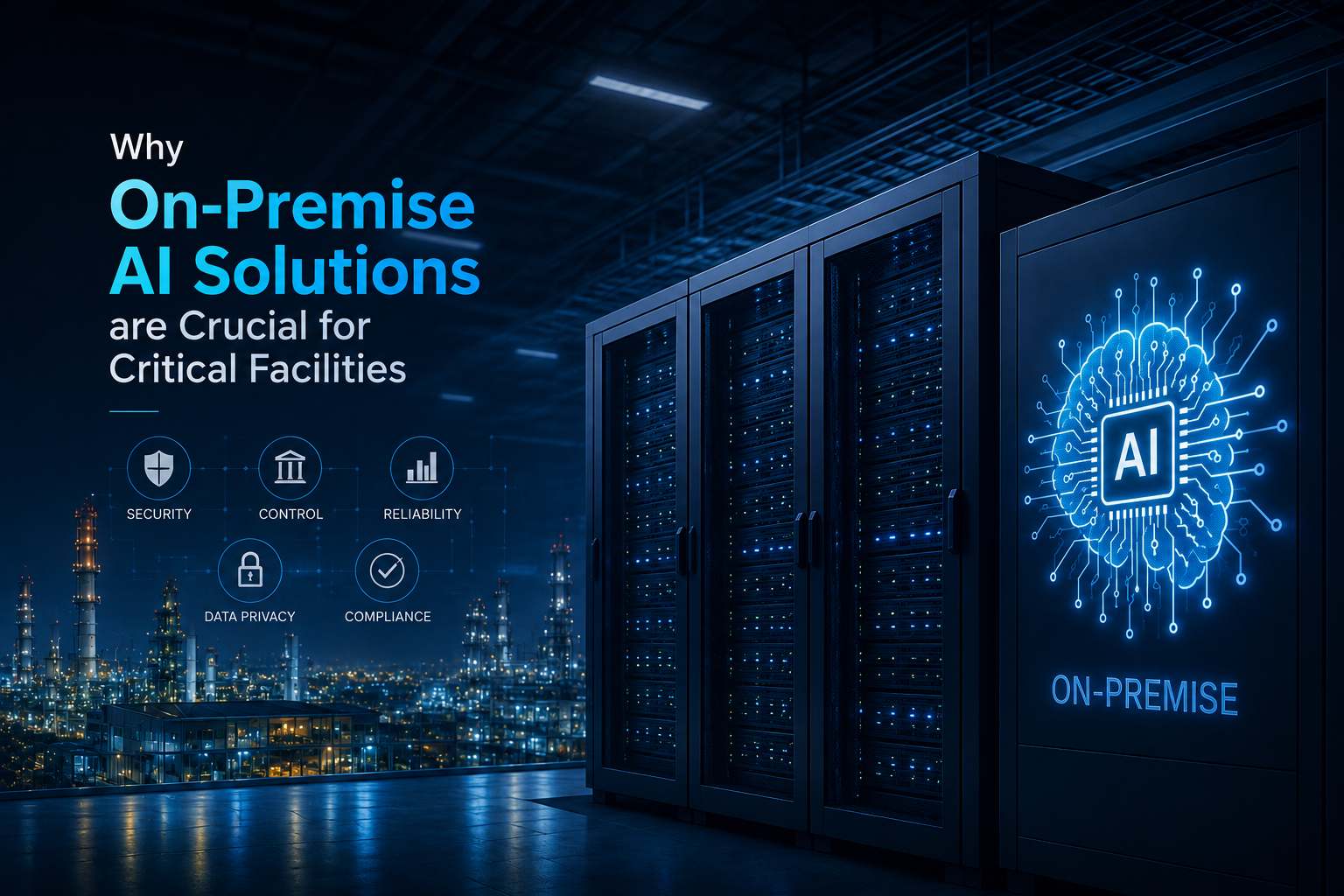
For many of these facilities, the answer is increasingly becoming on-premise AI.
The Unique Requirements of Critical Facilities
Unlike traditional office environments, critical facilities operate under a very different set of priorities. Their Building Management Systems (BMS), Energy Management Systems (EMS), SCADA platforms, and Operational Technology (OT) networks are designed around three key principles:
- Availability
- Reliability
- Cybersecurity
Even a few minutes of unexpected downtime can result in production losses or regulatory implications.
While cloud-based AI platforms offer impressive capabilities, sending operational data outside the facility is not always acceptable. Many organisations are reluctant to expose sensitive operational information, equipment performance data, or production-related metrics to external cloud services because of cybersecurity, compliance, and data sovereignty requirements.
This has led many enterprises to reconsider where AI workloads should reside, especially for mission-critical operations.
Why On-Premise AI Is Gaining Momentum
Recent advances in open-source Large Language Models (LLMs) mean organisations no longer need to rely exclusively on public cloud AI.
Powerful AI assistants can now run entirely within an organisation's own infrastructure—inside its existing firewall, on dedicated servers or edge hardware, without requiring internet connectivity.
This approach offers several important advantages:
- Complete Data Sovereignty – Operational data never leaves the organisation.
- Improved Cybersecurity – No dependency on external AI services for day-to-day operations.
- Regulatory Compliance – Easier alignment with strict industry requirements around data residency and validation.
- Seamless OT Integration – AI can securely interface with BMS, EMS, historians, and industrial systems within the same protected environment.
AI That Understands Your Facility
The real value of AI is not simply answering questions; it is understanding the context of your facility.
Imagine an engineer asking:
- "Why has Chiller Plant efficiency dropped over the past two weeks?"
- "Which AHUs are consuming more energy than expected?"
- "Show me all critical alarms related to UPS systems during the last 24 hours."
- "Which equipment has the highest probability of failure based on historical trends?"
- "Why did yesterday's energy consumption exceed the monthly average?"
Instead of searching through multiple dashboards, trend logs, and reports, the engineer receives a concise, contextual answer supported by real operational data.
AI becomes another member of the operations team—one that never sleeps and can analyse millions of data points.
Beyond Chatbots: An Intelligent Operations Assistant
The greatest opportunity lies in creating an AI Operations Assistant that works alongside facility engineers.
Such a solution can:
- Analyse alarms and identify probable root causes.
- Detect abnormal energy consumption before costs escalate.
- Recommend optimisation opportunities for HVAC and electrical systems.
- Generate maintenance recommendations based on operating hours and equipment health.
- Search thousands of pages of O&M manuals, SOPs, and project documentation in seconds.
- Help new engineers troubleshoot issues using an organisation's own engineering knowledge base.
Rather than replacing engineers, AI amplifies their expertise by reducing the time spent searching for information and allowing them to focus on solving problems.
The Importance of Domain Knowledge
AI is only as effective as the data and engineering knowledge behind it.
A generic AI model has no understanding of BMS architectures, HVAC sequences, chilled water systems, electrical distribution, or pharmaceutical environmental requirements.
To deliver meaningful insights, AI must understand the operational context of a facility—its equipment, naming conventions, control strategies, alarm priorities, and historical trends.
That is where engineering expertise becomes just as important as AI technology.
The Future of AI in Critical Facilities
The discussion around AI should no longer be centred on whether organisations should adopt it. Instead, it should focus on how AI can be deployed responsibly, securely, and effectively.
Cloud AI will continue to play an important role in many business applications. However, for mission-critical facilities, on-premise AI offers a compelling balance of intelligence, security, performance, and control.
As the technology continues to mature, I believe we will see a shift from cloud-first AI to hybrid and on-premise AI architectures, particularly in industries where resilience and data protection are paramount.
The future of facility management will not be defined by AI replacing engineers. It will be defined by engineers empowered with AI—making faster decisions, solving problems more efficiently, and operating smarter, safer, and more sustainable facilities.
Wizard Engineering's Approach
At Wizard Engineering, we believe the future of intelligent buildings will be driven by secure, on-premise AI integrated directly with Building Management and Energy Management Systems.
Our engineering team is actively developing AI-powered solutions that can operate entirely within a customer's own infrastructure, enabling organisations to leverage modern AI capabilities while keeping operational data securely on-site.
Our focus is to create an intelligent engineering assistant capable of:
- Understanding facility data
- Interpreting alarms
- Analysing trends
- Searching technical documentation
- Providing actionable recommendations
—all without requiring sensitive information to leave the customer's network.
For industries where cybersecurity, compliance, and operational continuity are non-negotiable, we believe this approach represents the next evolution of digital building operations.